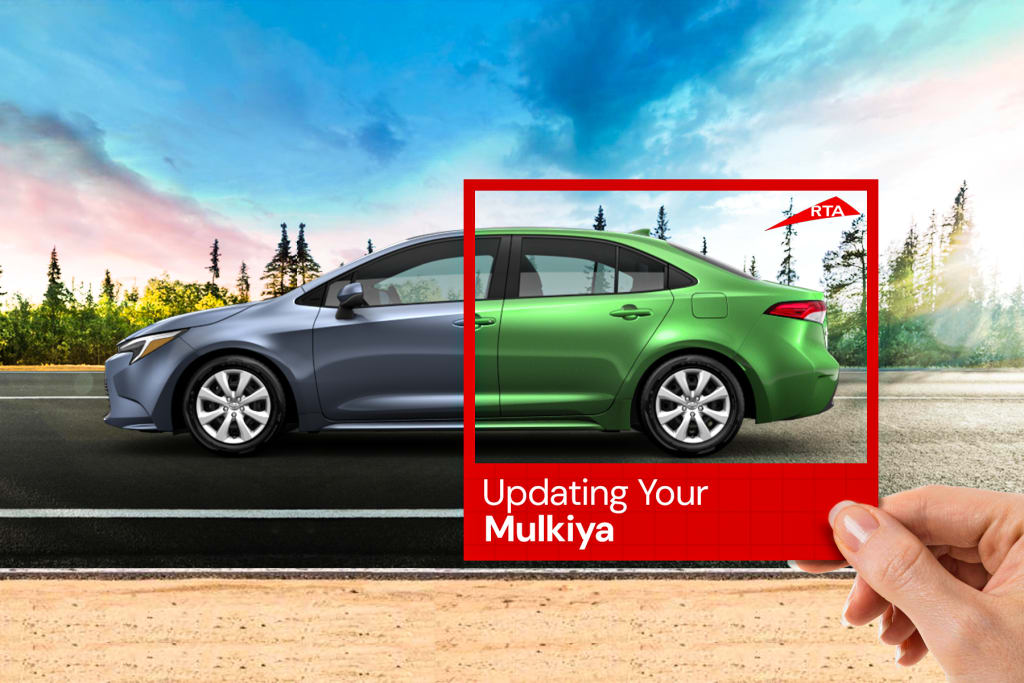
Your delivery van just got wrapped in your company’s signature blue. It looks professional, on-brand, and ready to work. There’s just one problem: your Mulkiya still lists the vehicle as white.
This isn’t a minor administrative oversight. In Dubai, a mismatch between your registration documents and your actual vehicle color is a compliance violation that triggers fines, blocks registration renewals, and can force you to remove expensive branding entirely. The RTA doesn’t view vehicle color as cosmetic data—it’s a core identification marker used across traffic enforcement, police systems, and insurance databases.
When your paperwork doesn’t match the vehicle on the road, you’re technically operating an unregistered modification. This guide walks you through exactly when Mulkiya updates are required, the correct process to follow, and how to avoid the costly mistakes that trap unprepared vehicle owners.
What a Mulkiya Update Means After Vehicle Wrapping
A Mulkiya update is the official modification of your RTA vehicle registration to reflect the new color of your wrapped or repainted vehicle, ensuring legal documentation matches the vehicle’s actual appearance for compliance with Dubai traffic regulations.
When a Mulkiya Update Is Mandatory
The RTA requires registration updates in specific situations. Understanding these triggers prevents compliance problems before they start.
- Annual vehicle registration renewal
- Transfer of vehicle ownership
- Change in vehicle details (color, engine, chassis, category)
- Number plate change
- Loan/mortgage removal or addition
- Exporting the vehicle or transferring registration to another emirate
- Change in owner information (personal or company details)
When a Mulkiya Update Is NOT Required
Not every modification triggers the update requirement. These scenarios typically avoid the compliance threshold:
- Temporary vehicle branding or partial wrapping that does not change the registered vehicle color
- Minor design graphics or decals on the vehicle
- Window stickers that comply with regulations
- Interior modifications that do not affect vehicle specifications
- Routine maintenance or part replacement (battery, tires, brake pads, etc.)
- Insurance renewal without any change to vehicle ownership or details
Why RTA Strictly Enforces Vehicle Color Accuracy
Vehicle color isn’t tracked for cosmetic reasons. It’s a functional data point embedded in Dubai’s traffic management infrastructure.
- Vehicle identification: The registered color helps authorities quickly identify vehicles during inspections or incidents.
- Law enforcement & security: Accurate color records assist police in tracking stolen or suspicious vehicles.
- Traffic monitoring systems: Cameras and smart systems rely on correct vehicle data to verify registrations.
- Accident and insurance verification: Correct vehicle details help in claim processing and legal investigations.
- Fraud prevention: Prevents vehicles from being disguised by changing color without official record updates.
Step-by-Step Process to Update Your Mulkiya After a Vehicle Wrap
Follow this sequence exactly to stay compliant and avoid registration complications.
Step 1: Confirm the Wrap Actually Changed Your Registered Color
Before starting the update process, verify your current Mulkiya color and compare it to the wrapped vehicle. If you wrapped a white car in white (different finish but same color), no update is needed. If the color changed—even slightly—proceed with the update.
Step 2: Obtain Required Pre-Approvals (Before Wrapping)
For color changes: Apply for Dubai Police CID (Criminal Investigation Department) approval before installing the wrap. This confirms the vehicle isn’t flagged and your chosen color is legally permissible.
For commercial branding: Obtain an RTA Advertisement Permit if the wrap includes business logos, advertising, or promotional graphics. This is mandatory before installation, not after.
Skipping pre-approvals and wrapping first can result in rejection orders requiring expensive wrap removal.
Step 3: Complete the Vehicle Wrap or Paint Job
Have the work done by RTA-compliant vendors using approved materials (3M, Avery Dennison, Oracal). Keep installation receipts and material specifications—you may need these for inspection.
Step 4: Book an RTA Vehicle Inspection Appointment
Schedule your inspection at an authorized Tasjeel center or RTA testing facility. You can book through:
- RTA website (rta.ae)
- Dubai Drive app
- Calling RTA customer service
Book within 7 days of wrap completion while the installation is still pristine.
Step 5: Prepare Required Documents
Gather these before your inspection appointment:
Essential documents:
- Original Mulkiya (vehicle registration card)
- Valid Emirates ID (original + copy)
- Current vehicle insurance certificate
- Dubai Police CID approval (for color changes)
- RTA Advertisement Permit (for commercial wraps)
If vehicle is financed or leased:
- No Objection Certificate (NOC) from bank or leasing company
For company vehicles:
- Trade license copy
- Company authorization letter
Bring both physical copies and digital backups on your phone.
Step 6: Pass the Color Verification Inspection
At the inspection center, technicians will:
- Verify the new color matches your CID approval
- Confirm branding matches your RTA Advertisement Permit (if applicable)
- Check that no illegal modifications were made (tinting, structural changes)
- Ensure lights, plates, and windows aren’t obstructed
Inspection fees:
- Vehicles under 3 years old: Free (waived)
- Vehicles over 3 years old: AED 170
If everything passes, you’ll receive a Technical Inspection Certificate (Saleem passing certificate). If rejected, you’ll get a list of issues to fix before re-inspection.
Step 7: Submit Mulkiya Update Application
With your passing certificate in hand, update your registration:
Online method (recommended):
- Log into RTA website or Dubai Drive app using UAE Pass
- Navigate to “My Vehicles” → Select your vehicle
- Choose “Update Vehicle Details” → “Color Change”
- Upload inspection certificate and supporting documents
- Select new color from dropdown menu
- Review and confirm all details
- Pay fees (AED 380-550 depending on vehicle type)
Processing time: 24-48 hours for approval
In-person alternative:
Visit an RTA Customer Happiness Center with all documents. Staff will assist with the update, though processing takes longer than online submission.
Step 8: Receive and Verify Your Updated Mulkiya
Once approved, you’ll receive:
Digital Mulkiya: Immediately available via RTA app—legally equivalent to physical card
Physical card (optional): Order for AED 50 if desired; delivered within 3-5 days
Immediately verify all details are correct: new color, vehicle specifications, owner information, validity dates.
Step 9: Update Your Insurance Policy
Within 7 days of Mulkiya update, contact your insurance provider to:
- Inform them of the color change
- Provide updated Mulkiya copy
- Request policy endorsement amendment
This is critical—insurance claims can be denied if your policy doesn’t match current registration data.
Step 10: Maintain Updated Documentation
Keep copies of:
- Updated Mulkiya (digital and physical)
- Inspection certificate
- CID approval
- RTA Advertisement Permit
- Insurance policy endorsement
Store digital backups in cloud storage and keep physical copies in the vehicle.
Frequently Asked Questions About Mulkiya Updates
Do I need to update my Mulkiya after wrapping my car in Dubai?
Yes, if the wrap changes your vehicle’s color or covers more than 50-60% of the surface with different colors. The RTA requires your Mulkiya to accurately reflect your vehicle’s actual appearance. Small decals or logos that don’t change the dominant color typically don’t require updates.
What documents do I need to update my Mulkiya after a vehicle wrap?
You need your original Mulkiya, valid Emirates ID, current insurance certificate, Dubai Police CID approval for color changes, RTA Advertisement Permit for commercial branding, and a passing Technical Inspection Certificate from an RTA-authorized center. If your vehicle is leased, you’ll also need a No Objection Certificate from the lessor.
How long do I have to update my Mulkiya after a color change?
Legally, you must update within 30 days of the modification. After day 30, you begin accumulating late fees (AED 25/month up to AED 400 maximum) and risk fines if caught during traffic stops or checkpoints.
Can I drive my wrapped car before updating the Mulkiya?
Technically, you’re non-compliant from the moment the color changes until the Mulkiya is updated. Practically, you have a 30-day grace period to complete the process. However, you’re at risk if stopped during this period, and you cannot renew your registration until the update is complete.
How much does it cost to update Mulkiya for a vehicle wrap in Dubai?
Expect to pay AED 550-700 total, including: Mulkiya amendment fee (AED 380), inspection fees (AED 170 for vehicles over 3 years), and processing charges. This doesn’t include pre-approval costs like CID permission (AED 100) or RTA Advertisement Permits (AED 200-500 for commercial vehicles).
What happens if I don’t update my Mulkiya after wrapping?
Your registration renewal will be rejected, you’ll face fines of AED 500-1,000 if caught during traffic stops, and you may be ordered to remove the wrap entirely. For commercial vehicles, this can cause operational disruptions and business losses far exceeding the update costs.
Can I update my Mulkiya online or do I need to visit RTA?
You can submit the Mulkiya update application online via the RTA website or Dubai Drive app after passing a physical vehicle inspection. The inspection itself must be done in person at an RTA-authorized testing center, but the actual registration update can be completed digitally.
Do I need RTA approval before wrapping my vehicle?
Yes. For color changes, you need Dubai Police CID approval before installation. For commercial branding, you need an RTA Advertisement Permit before applying graphics. Wrapping first and seeking approvals later can result in rejection orders requiring wrap removal.
This guide is based on direct operational experience helping vehicle owners and commercial fleets navigate Dubai’s post-modification compliance requirements. We’ve coordinated Mulkiya updates for hundreds of vehicles across private cars, delivery vans, corporate fleets, and specialty vehicles operating throughout Dubai’s industrial zones, commercial districts, and residential areas.
Our knowledge comes from practical interaction with RTA systems, Dubai Police approval processes, and Tasjeel inspection centers—not theoretical interpretation of regulations. We track regulatory updates as they’re announced, maintain working relationships with RTA-approved vendors, and help clients avoid the expensive mistakes that come from misunderstanding the color change process.
Vehicle branding compliance isn’t about finding loopholes or betting on non-enforcement. It’s about understanding how Dubai’s systems actually work in practice and ensuring your documentation matches reality before problems surface. This guide reflects that real-world expertise.
Final Compliance Checklist: Before You Drive
Before considering your wrapped vehicle fully compliant, verify:
✅ Dubai Police CID approval obtained (for color changes)
✅ RTA Advertisement Permit approved (for commercial branding)
✅ Vehicle wrap installed by RTA-compliant vendor
✅ RTA vehicle inspection passed within 7 days
✅ Mulkiya update submitted and approved
✅ Digital Mulkiya downloaded and accessible
✅ Insurance policy updated to reflect new color
✅ All documentation backed up (digital + physical)
✅ Leasing company informed (if applicable)
✅ 30-day compliance deadline met
If you can check every box, you’re operating legally and protected from compliance complications.
Conclusion: Match Your Paperwork to Reality
The Mulkiya update process isn’t designed to be difficult—it’s designed to maintain accurate vehicle records across Dubai’s traffic management infrastructure. When your registration matches your actual vehicle, you avoid fines, pass inspections smoothly, and eliminate the risk of enforcement complications.
The costliest approach is ignoring the requirement and hoping you won’t get caught. The smartest approach is building the update process into your wrapping timeline from day one.
Start pre-approvals before the wrap goes on. Schedule your inspection within the first week. Submit your Mulkiya update immediately after passing. Update your insurance within 7 days. This keeps you compliant, legal, and operational without disruption.
Need compliance-ready vehicle branding that includes full Mulkiya coordination?
Printajo handles RTA approvals, professional wrap installation, inspection scheduling, and post-branding registration updates as a complete service—ensuring your vehicle stays legal from day one.
Contact our team to ensure your branding project creates visibility, not compliance problems.